
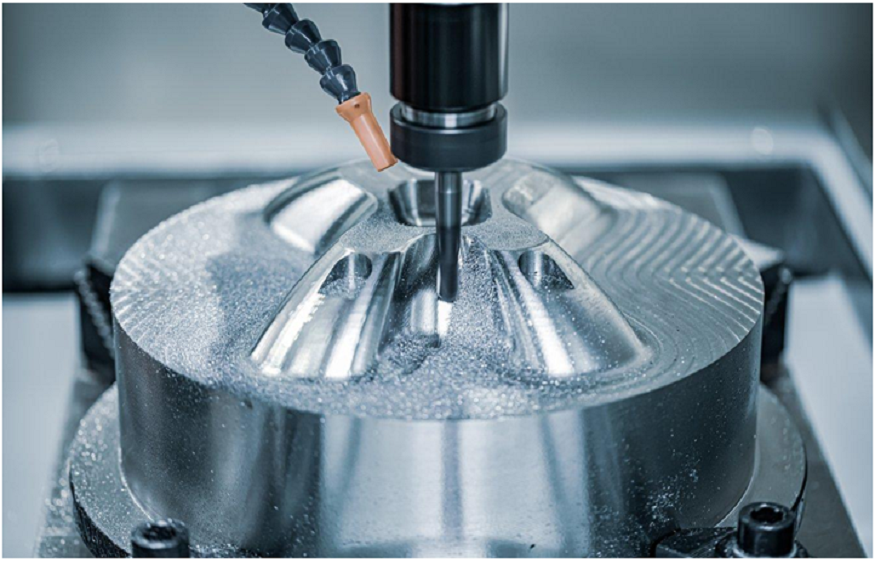
The global manufacturing landscape has been significantly shaped by China’s rapid advancement in technology and infrastructure. Among the most influential sectors is CNC machining China, renowned for its ability to deliver high-quality, large-volume production at competitive costs. This article explores the strategies, technologies, and processes that enable Chinese CNC machining factories to efficiently manage and scale large-volume production, providing valuable insights for businesses seeking a reliable China CNC service.
The Rise of CNC Machining in China
China’s manufacturing prowess is rooted in decades of investment in automation, skilled labor, and supply chain optimization. CNC (Computer Numerical Control) machining has become a cornerstone of this ecosystem, supporting industries from automotive and aerospace to electronics and medical devices. Today, CNC China is synonymous with precision, scalability, and cost-effectiveness, making it a preferred partner for global manufacturing projects.
Core Advantages of Chinese CNC Machining Factories
1. Advanced Equipment and Technology
Read More : Charles Spinelli Talks About Common Payroll Mistakes
- State-of-the-art machinery: Chinese factories invest heavily in the latest CNC equipment, including multi-axis machining centers and high-speed mills. These advanced machines are capable of complex geometries, tighter tolerances, and faster cycle times, which are essential for handling large-volume orders efficiently. The adoption of high-precision equipment ensures that each part produced meets strict quality requirements, even when operating at scale.
- Automation integration: Robotics, automated material handling, and real-time monitoring systems are integrated into production lines to boost efficiency and consistency. Automation minimizes human error, reduces labor costs, and allows for 24/7 operation, which is crucial for fulfilling bulk orders within tight deadlines. Real-time monitoring provides immediate feedback on machine performance, enabling proactive maintenance and reducing downtime.
2. Skilled Workforce
- Technical expertise: Experienced engineers and machinists are the backbone of successful CNC machining China operations. They ensure optimal programming, machine setup, and quality control throughout the production process. Their deep understanding of materials, tooling, and machining strategies allows them to troubleshoot issues quickly and maintain high standards even during high-volume runs.
- Continuous training: To stay competitive, Chinese CNC factories often partner with technical institutes and invest in ongoing training for their staff. This approach to continuous learning ensures the workforce is well-versed in current CNC technology, software, and best-practice processes, which directly translates into improved productivity and product quality.
3. Robust Supply Chains
- Material sourcing: The proximity of Chinese CNC factories to raw material suppliers is a significant advantage. It reduces transportation costs and lead times, enabling faster turnaround for large-volume projects. Strong supplier relationships also ensure reliable access to high-quality materials, which is critical for maintaining consistency in mass production.
- Logistics networks: China’s mature logistics infrastructure supports efficient movement of goods both domestically and internationally. Well-established shipping channels, warehousing solutions, and customs expertise enable CNC China factories to deliver finished products to global customers on schedule, regardless of order size.
4. Scalability and Flexibility
- Batch production: Chinese CNC factories are equipped to quickly switch between small prototype runs and full-scale mass production. This flexibility allows them to support customers from the initial design phase through to large-volume manufacturing, adapting production schedules as demand fluctuates.
- Customization: Despite the focus on efficiency, Chinese factories maintain the ability to accommodate custom requirements. Flexible manufacturing processes and modular production lines make it possible to produce variations of parts without sacrificing speed or quality, meeting the specific needs of diverse global clients.
The Large-Volume Production Process
1. Project Assessment and Quotation
- Online CNC machining platforms allow customers to upload their CAD designs and receive instant, data-driven quotations. This digital approach streamlines the initial phase, providing transparency and accuracy in pricing. The use of automated quoting systems reduces administrative delays and helps customers make informed decisions quickly.
- Feasibility studies are conducted to evaluate the manufacturability of the design, availability of materials, and the ability to meet tolerance and timeline requirements. These studies help identify potential challenges early, ensuring that production can proceed smoothly at scale.
2. Prototyping and Pre-Production
- Rapid prototyping involves producing a small batch of parts to validate the design and machining process. Early evaluation at this step minimises rework and ensures resources are used efficiently during production.
- Process optimization uses feedback from the prototyping phase to refine machining parameters, tool paths, and fixture setups. Continuous improvement at this stage ensures that the final production run is as efficient and error-free as possible.
3. Tooling and Fixture Development
- Custom tooling such as jigs and fixtures are designed for repeatability and speed in high-volume production. These tools ensure that each part is positioned and machined consistently, reducing variability and increasing throughput.
- Tool life management systems use sensors and software to track the condition of cutting tools, scheduling replacements before failures occur. This proactive approach minimizes downtime and maintains consistent quality across large batches.
4. Automated Production Scheduling
- ERP systems (Enterprise Resource Planning) coordinate every aspect of the manufacturing process, from order intake to inventory management and machine allocation. These systems provide real-time visibility into production status and help optimize resource utilization.
- Dynamic scheduling powered by AI algorithms adjusts workflows based on actual demand, machine availability, and supply chain factors. This adaptability is key to meeting tight deadlines and accommodating last-minute changes in large-volume orders.
5. Quality Assurance and Inspection
- In-process inspection uses automated sensors and Coordinate Measuring Machines (CMMs) to check critical dimensions during machining. This real-time quality control enables immediate corrections, reducing scrap rates and ensuring that only conforming parts move to the next stage.
- Final inspection involves comprehensive testing, documentation, and certification of finished products to ensure compliance with international standards. Detailed inspection reports give customers confidence in the quality and traceability of every batch.
6. Packaging and Global Shipping
- Protective packaging is custom-designed for each part or assembly to prevent damage during transit. Packaging solutions may include foam inserts, anti-static bags, and moisture barriers, tailored to the product’s material and destination.
- Global logistics partnerships with major couriers and freight forwarders enable fast, reliable delivery worldwide. Expertise in customs documentation and export regulations ensures smooth cross-border shipments, even for large consignments.
Digital Transformation: Online CNC Machining in China
The emergence of online CNC machining platforms has dramatically improved access to China CNC service for global customers. These platforms provide a seamless interface for quoting, order placement, and real-time production tracking. Customers benefit from greater transparency, reduced lead times, and enhanced communication, making it easier than ever to leverage CNC China capabilities for large-volume projects.
Case Studies: Success Stories in Large-Volume CNC Production
Automotive Components
A leading China CNC service provider produced over 100,000 precision engine parts for a European automaker. Automated production lines and real-time quality monitoring enabled the factory to maintain near-zero defect rates, demonstrating the effectiveness of integrated technology and skilled labor in handling demanding large-volume orders.
Consumer Electronics
A CNC machining China facility delivered millions of smartphone housings within tight deadlines by integrating robotics and flexible scheduling. The use of advanced automation allowed for rapid changeovers between models and consistent quality across massive production runs.
Medical Devices
Strict regulatory requirements were met through advanced inspection systems and full traceability, enabling the export of high-precision medical components worldwide. The ability to document every step of the process ensured compliance with international health and safety standards.
Challenges and Solutions in Large-Volume CNC Machining
1. Maintaining Consistency
Solution: Automated inspection and statistical process control (SPC) ensure uniformity across batches. Immediate analysis of production data reduces inconsistencies and helps preserve high quality across large-scale manufacturing operations.
2. Managing Lead Times
Solution: Real-time scheduling and local material sourcing minimize production delays. By leveraging digital tools and strong supplier relationships, Chinese CNC factories can quickly adapt to changing customer requirements and ensure timely delivery.
Read More : Kavan Choksi UAE Lists Strategies to Overcome Emotional Spending
3. Cost Control
Solution: Bulk purchasing of materials and process automation reduce per-unit costs without compromising quality. Efficient resource management and continuous improvement initiatives further drive down expenses, making China CNC service highly competitive for global manufacturing.
The Future of CNC Machining in China
Chinese CNC machining factories are at the forefront of adopting smart manufacturing, IoT connectivity, and green production practices. Investments in digitalization and sustainable technologies will further enhance their ability to deliver scalable, reliable, and innovative solutions for large-volume production, ensuring CNC China remains a global leader.
Conclusion
The success of CNC machining China in managing large-volume production is a testament to the country’s commitment to technological advancement, skilled labor, and customer-centric service. For businesses seeking efficient, high-quality, and cost-effective manufacturing, partnering with a reputable China CNC service provider is a strategic move in today’s competitive global market.